Garage door openers are not exciting machines. Nobody shows them off. Yet the choice between belt drive and chain drive keeps coming up, usually after someone complains about noise or a door that shakes like it has opinions. This topic sounds simple, but it isnt. The differences hide in sound levels, long term wear, and how people actually use their garages day after day.
This article looks at belt drive vs chain drive garage door openers in plain language, without sales talk. Just how they work, how they behave over time, and which one fits which kind of home.
Understanding how garage door openers really work
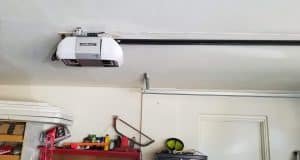
All garage door openers do the same basic job. A motor turns. That turning motion pulls a trolley. The trolley moves the door up or down along tracks. The only real difference is what connects the motor to that trolley.
Chain drive openers use a metal chain, similar to a bicycle chain but thicker. Belt drive openers use a reinforced rubber or polyurethane belt, often with steel cords inside it.
The rest of the opener, motor, logic board, safety sensors, is usually very similar between the two. People often assume belt drive means weaker. That assumption is often wrong.

Chain drive garage door openers explained
Chain drive openers have been around for decades. Many homes built in the 1980s and 1990s still run on their original chain systems, sometimes loudly, sometimes not so smoothly.
The biggest strength of chain drive systems is durability. Steel chain handles stress well. Heavy wood doors, oversized steel doors, and older doors with imperfect balance usually work fine with a chain drive.
According to industry manufacturing data, chain drive systems remain the most sold type worldwide, especially in detached garage setups. Cost plays a big role here. Chain systems are usually priced lower at purchase.
Noise is the downside. Metal on metal movement creates vibration. Over time, as lubrication dries out or the chain stretches slightly, the sound gets sharper. In attached garages, that noise travels into living spaces easily.
Maintenance is also part of the story. Chains need periodic lubrication. Without it, wear speeds up. Skipping maintenance doesnt break the system immediately, but it shortens its smooth phase quite fast.
Belt drive garage door openers explained
Belt drive openers arrived later, mainly to answer noise complaints. Instead of steel chain links, a flexible reinforced belt does the pulling. The belt absorbs vibration rather than amplifying it.
The result is clear. Belt drive openers are quieter. Not silent, but noticeably calmer. Many manufacturers report sound level reductions of roughly 40 to 60 percent compared to traditional chain systems under similar loads.
Belt drives also produce less vibration through ceiling joists. This matters more than people expect. Bedrooms above garages feel this difference at night, especially in light framed homes.
Durability used to be the weak point. Early belts degraded faster. Modern belts are much better. Reinforced belts now show service life comparable to chains when installed on properly balanced doors. Improper balance still damages belts faster, though.
Belt drives cost more upfront. The price gap varies by brand and motor power, but belt units often sit one tier above chain units in the same lineup.
Noise comparison
Noise is the most talked about difference, and for good reason. Measurements from independent testing labs show chain drive openers commonly operating around 70 to 75 decibels at the motor during operation. Belt drives often fall closer to 55 to 60 decibels.
That difference sounds small on paper. In real life, it feels large. Decibels are logarithmic. A 10 decibel drop is perceived as roughly half as loud to human ears.
If your garage is detached and far from bedrooms, this may not matter much. If the garage shares walls with living space, noise becomes the main decision factor very quickly.
Strength and lifting ability
There is a persistent idea that belt drives are weaker. That idea mostly comes from early belt designs and from misuse. The motor does the lifting, not the belt or chain.
Modern belt drive systems handle the same horsepower ratings as chain systems. A 1 2 HP belt opener lifts the same balanced door as a 1 2 HP chain opener. The belt does not reduce lifting force.
Where belts struggle is abuse. Poorly balanced doors put shock loads on the belt during start and stop cycles. Chains tolerate this abuse better. So strength depends more on door condition than drive type.
Longevity and wear over time
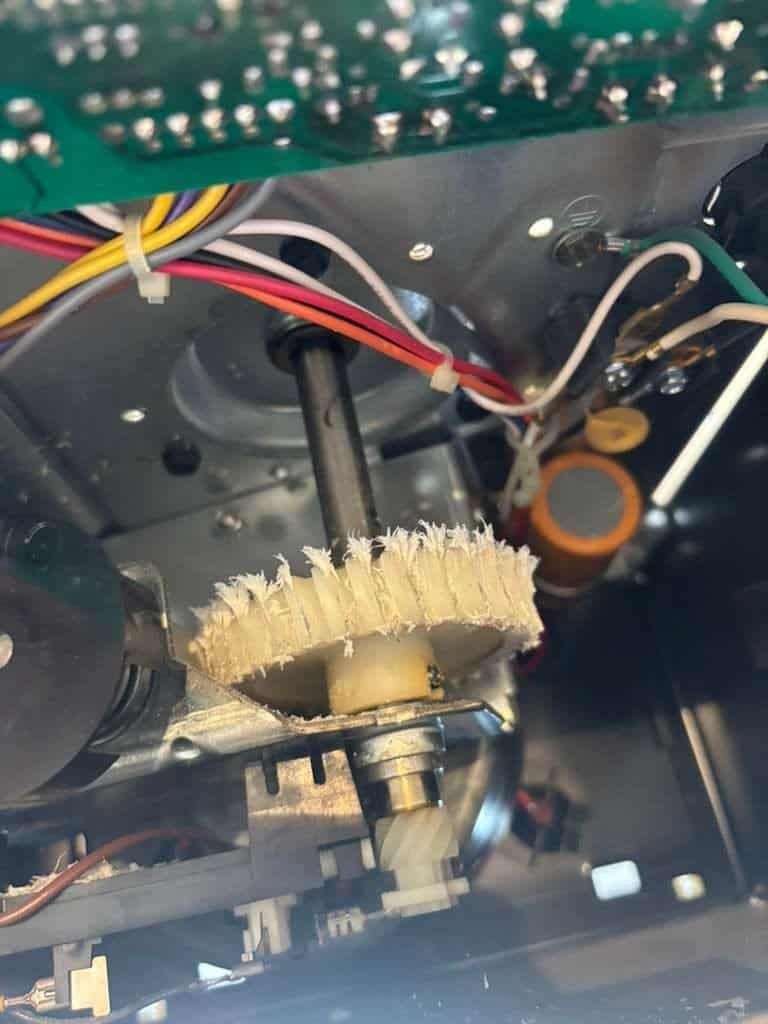
Chain drives stretch slowly over years. This stretch increases slack and noise but rarely causes sudden failure. Belts do not stretch in the same way, but they can crack if exposed to extreme heat or chemical vapors.
In normal residential garages, belt life commonly reaches 10 to 15 years. Chain systems often exceed that with maintenance, sometimes reaching 20 years or more.
Failure patterns differ. Chains get noisy first, then sloppy. Belts stay quiet until they fail more abruptly. Neither is better, just different risk profiles.
Maintenance needs
Chain drives need lubrication. Most homeowners forget this. Dry chains wear faster and scream louder. Belt drives require almost no lubrication at all.
From service records across residential installers, a large portion of service calls related to chain systems involve noise complaints and loose chain tension. Belt drive service calls more often relate to electronics or sensors rather than the belt itself.
If you know maintenance will be ignored, belt drives are more forgiving.
Cost comparison
Chain drive openers are usually cheaper by a noticeable margin. The difference can range from modest to significant depending on motor power and features.
Installation cost is usually similar. Long term cost depends on how long you stay in the home and how sensitive you are to noise. Paying less upfront sometimes leads to replacing sooner out of frustration.
Energy use is nearly identical between the two. The drive type does not meaningfully change electricity consumption.
Which one fits which home
Chain drive openers make sense for detached garages, heavy custom doors, rental properties, and situations where cost control matters more than comfort.
Belt drive openers suit attached garages, homes with bedrooms above the garage, and owners who value quiet operation and low maintenance.
Neither choice is wrong. Problems happen when the door condition and the opener type do not match.
Conclusion
The belt drive vs chain drive debate only exists because people live differently. A quiet opener feels essential to one household and unnecessary to another.
Chain drives offer toughness and value. Belt drives offer calm and comfort. The better option is the one that matches your door, your garage layout, and how much noise you are willing to tolerate at odd hours.
The opener itself is only part of the system. A balanced door and proper installation matter just as much, sometimes more, than whether the drive is steel or rubber.