
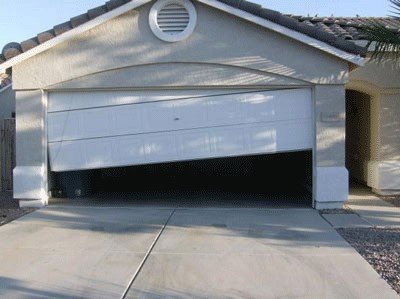
Most doors give notice before they stop. A change in the sound, a pause on the way up, a door that sits slightly crooked in the opening. In Rancho Vistoso we get called to all of it, across neighborhoods built decades apart, and the fix is rarely the same twice. We are in Oro Valley daily, so a call here does not wait behind the rest of the metro.
★★★★★
Five-star rated on Google
from homeowners across Oro Valley and north Tucson
Years Of Experience
Availability
Satisfaction Rate
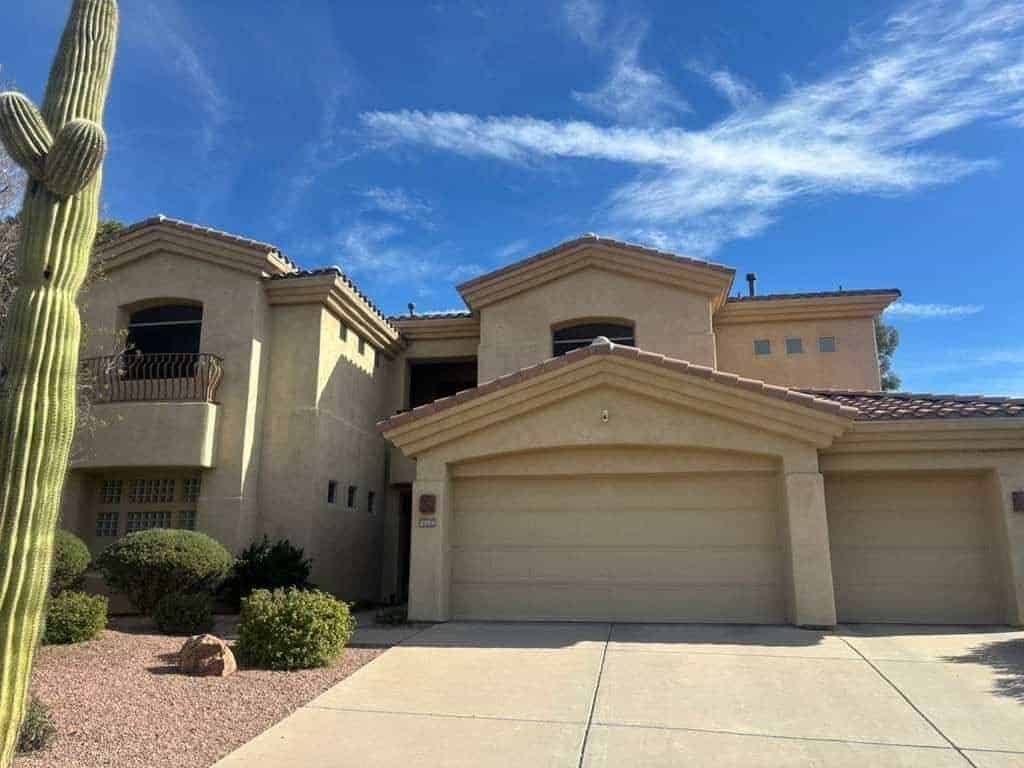
Rancho Vistoso is not one neighborhood, it is a series of them built out over roughly thirty years, and the garage doors tell you exactly which phase you are standing in. The earliest sections are on doors well past their design life, running original hardware that is now failing outright. The newest are barely a decade old, with heavier insulated doors whose problems are entirely different. A technician who assumes he knows what is behind the door before he sees it will get it wrong here more often than anywhere else in Oro Valley.
So we look first and quote after. That means finding out which phase the house is from, what has already been replaced, and whether the fault in front of us is age, a bad earlier repair or simply a door that was never balanced right. You get told what was actually found, in plain language, with the price attached before anything is dismantled, and an honest view on whether this door is worth more money or has reached the end.
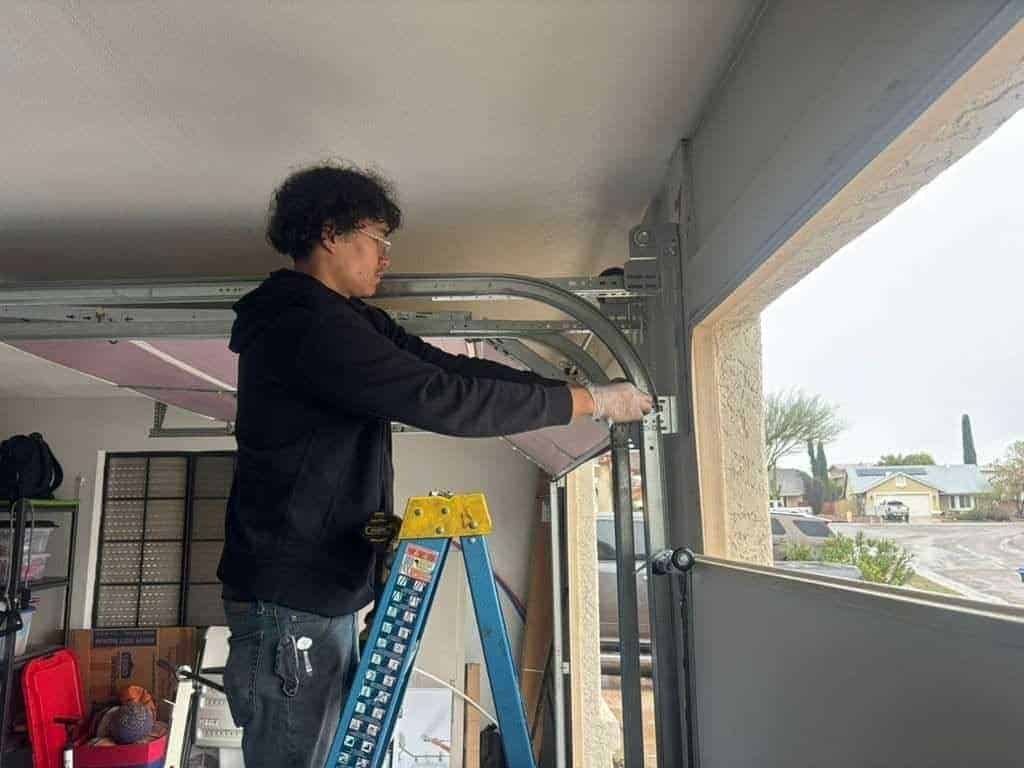
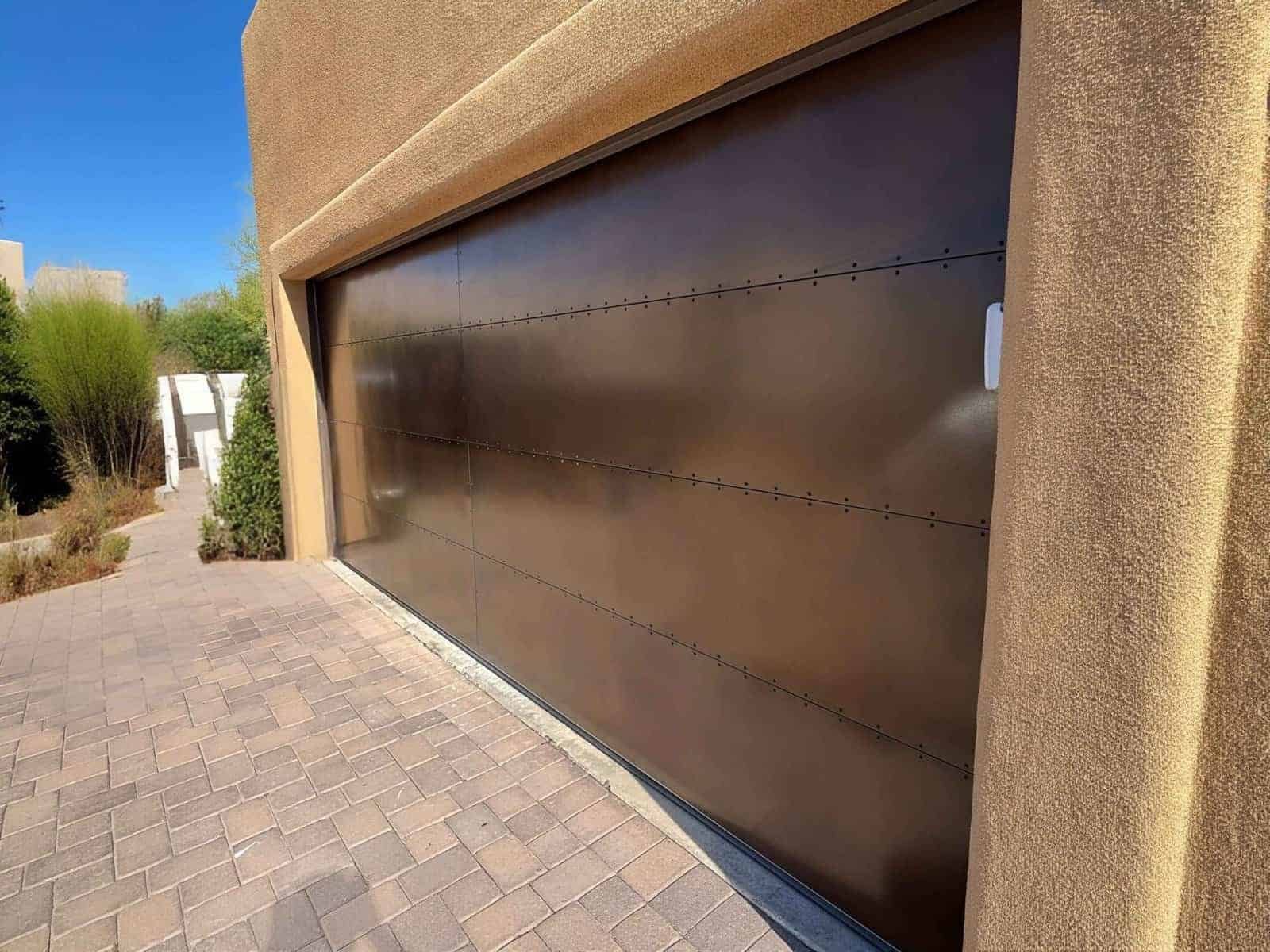
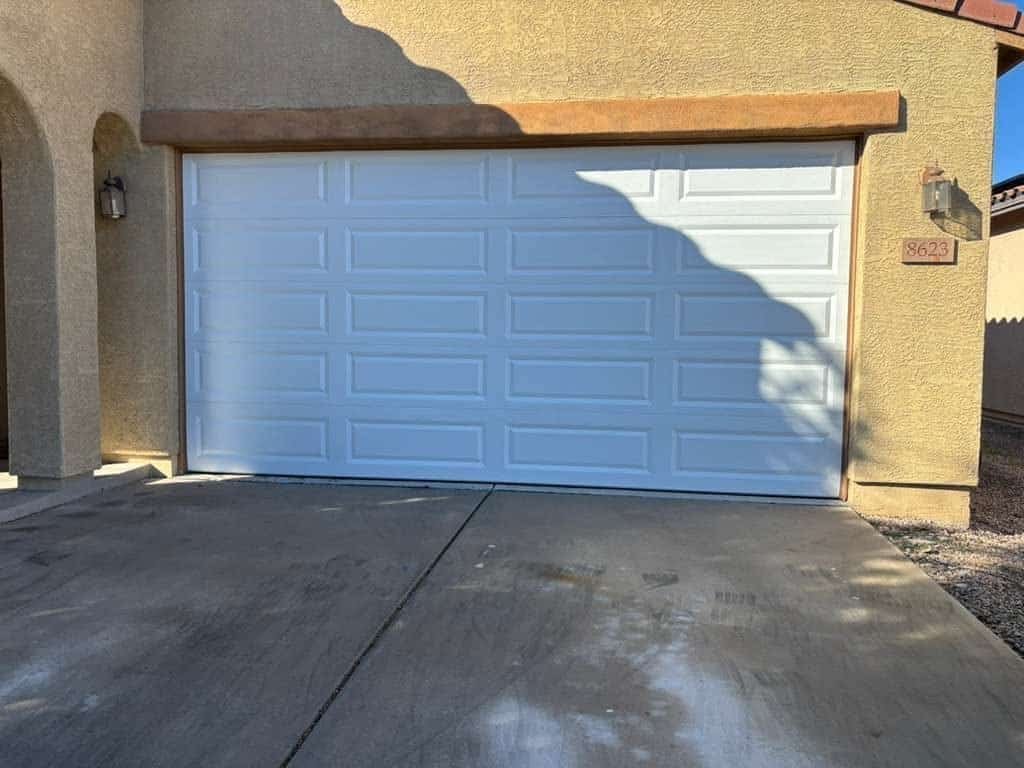
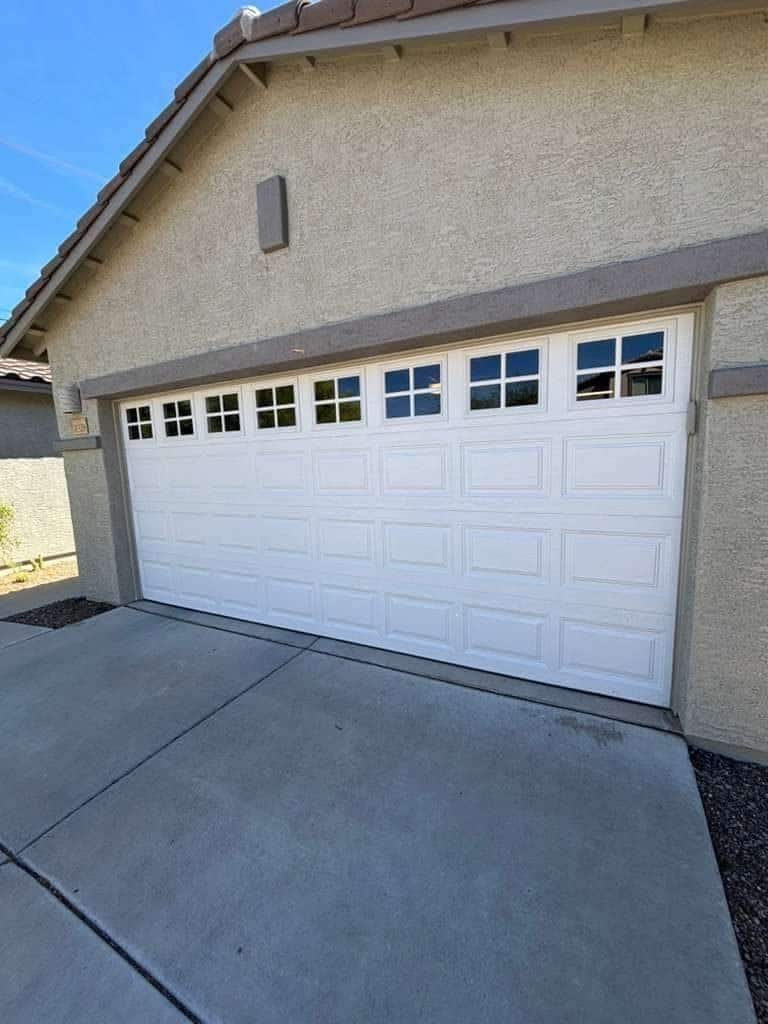
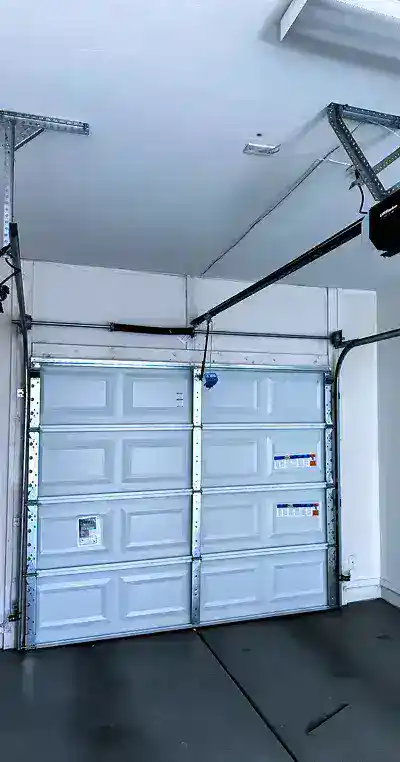

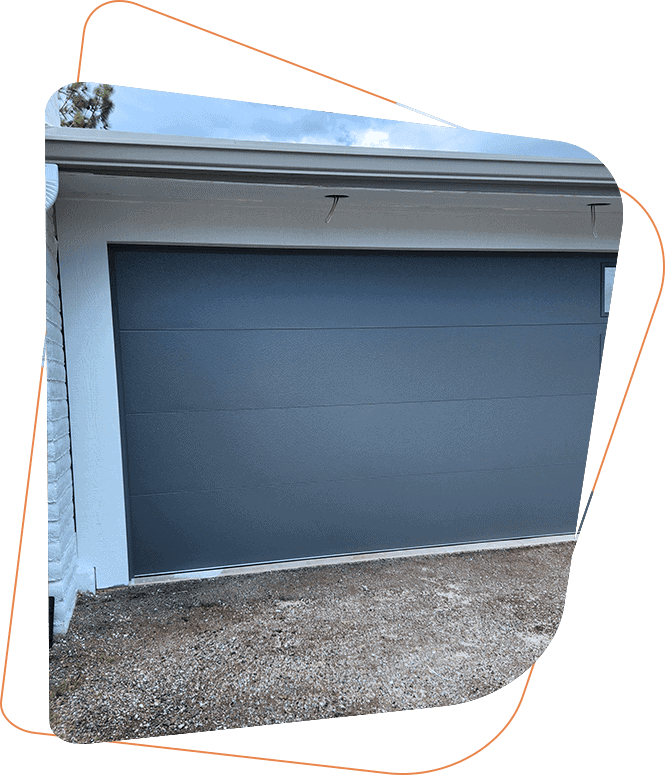
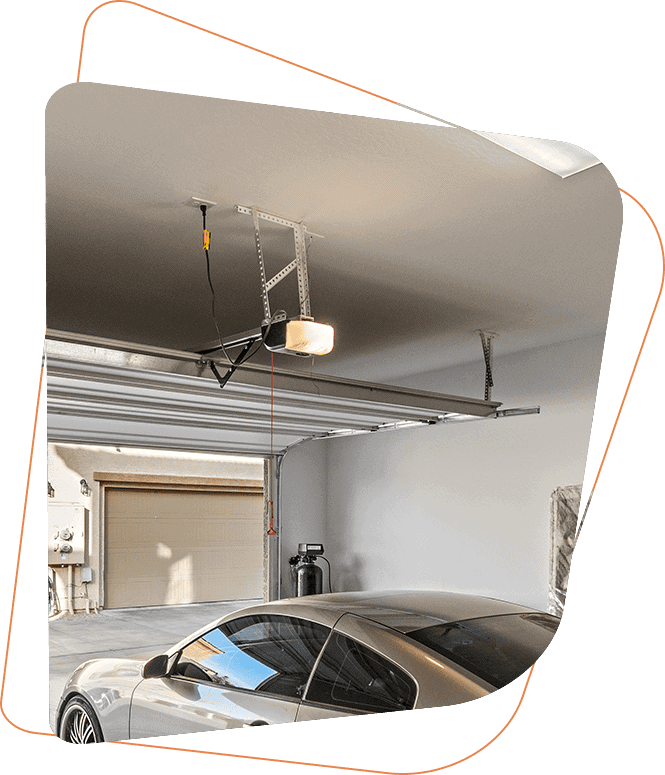
One local crew for every door in Oro Valley, from the earliest Rancho Vistoso phases to the newest, residential and commercial.
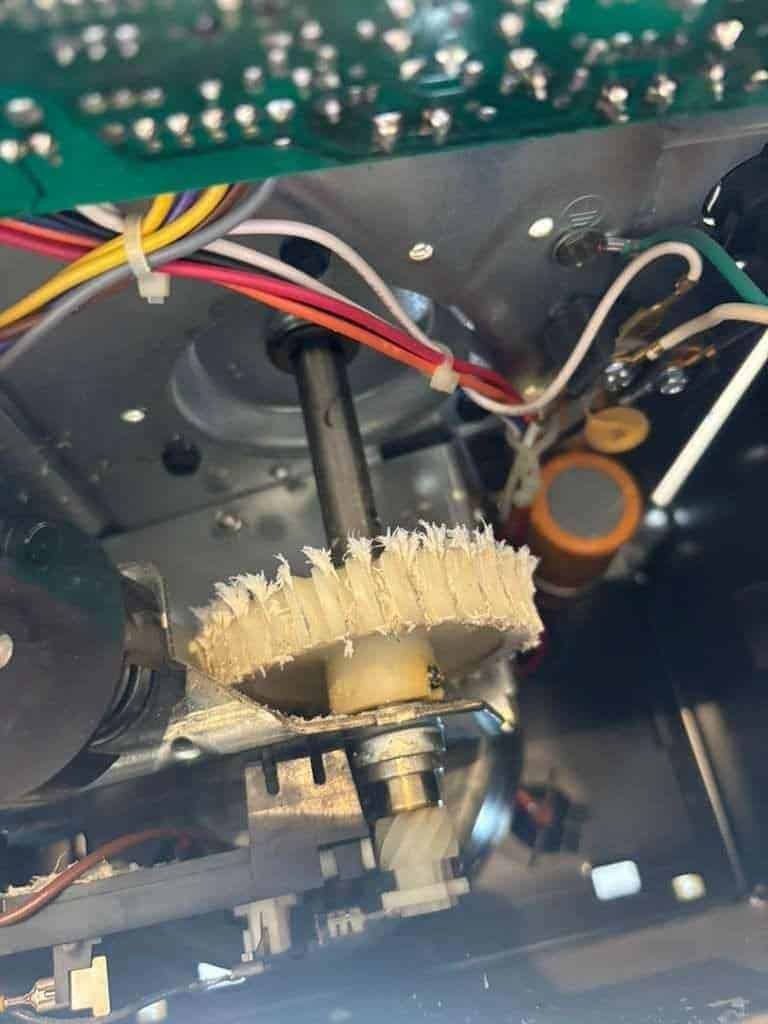
LiftMaster, Genie, Chamberlain and Craftsman, from chain drives in the older sections to app-connected units in the newer ones. Different eras, different faults, both routine for us.
Doors that have come off the track or catch in the frame. We find what pulled it out of alignment, replace that, and rebalance rather than just reseating it.
The service that matters most on a house that stands empty part of the year. Lubrication, spring tension, roller and sensor checks so it works when you get back.
Faded sections and hardened bottom seals. In older phases the seal is usually first to go, and it is what lets dust and runoff under the door.
New residential and commercial doors, including better-insulated and quieter models when an original has finally run out of life.
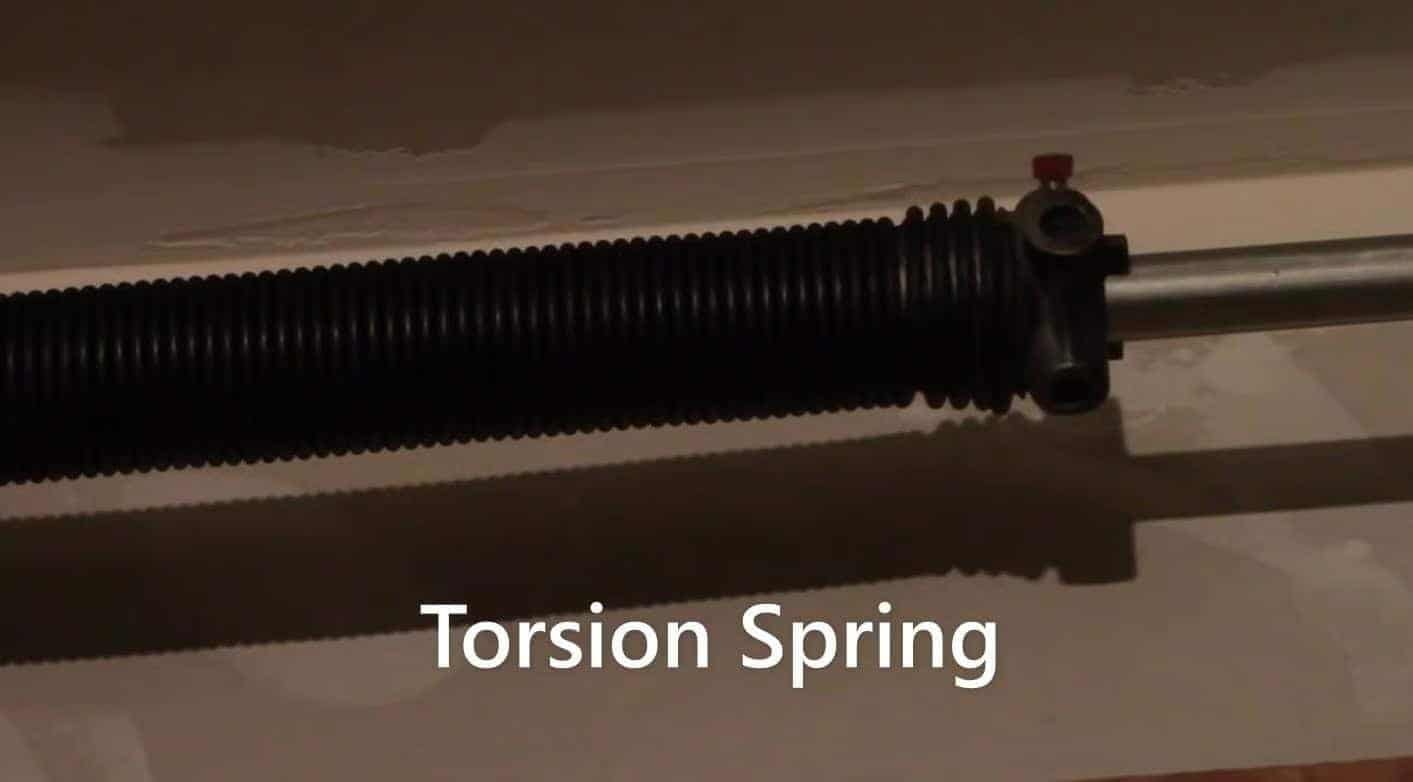
Torsion and extension springs, sized to your actual door. Spring size varies a great deal between the old and new sections here, so we measure rather than assume.
Higher ground than the city, sharper monsoon runoff, and housing stock spanning three decades. Rancho Vistoso produces a wider spread of door problems than most communities its size.
The oldest phases are on hardware that has long since passed its design life while the newest are barely broken in. Two neighbors a few streets apart can have completely different faults, which is why nothing here should be diagnosed over the phone.
Storm water coming off higher ground carries grit and debris straight to the bottom of the door and packs it into the track. A seal that no longer sits flat on the slab turns every monsoon into a problem.
A large share of these houses stand empty through the summer. Rollers stiffen, seals take a set against the concrete, and the strain shows on the first cycle back, which is why the return is such a common time to need a repair.
Sitting higher than the city means stronger sun and more wind than the valley floor. Bottom seals go brittle sooner and a wide door catches gusts that push it steadily out of alignment.
No phone tree, and no arrival window that eats your whole day. This is what happens between the call and a door that works properly again.
Tell us what the door is doing and roughly when the house was built. Out here that detail genuinely narrows it down.
A technician goes over the entire door, establishes which parts are original and which have been swapped, then quotes you a firm figure.
The trucks carry a wide range of spring sizes, which matters in a community this varied, so most jobs finish on the first visit.
The door is run, hand-balanced and safety-checked, and the old hardware goes with us rather than in your bin.
Two doors in Rancho Vistoso can show the same symptom for completely different reasons, and the age of the house is usually the deciding factor. A heavy door that has gone sluggish in a newer phase is a spring losing tension. The same complaint in an older section is more often rollers and hinges that have simply worn out together. So the first thing that happens on any call is a full inspection: springs, cables, rollers, tracks, hinges, drums, bearings, opener, safety sensors and the sections themselves.
Then we tell you what was found before touching any of it. On an older phase house that conversation usually covers more than one part, because everything on the door has done the same number of cycles and they tend to fail in sequence. On a newer one it is often a single item and the rest is genuinely fine. You get the honest version either way, with the price attached, and you choose what gets done.
The parts we fit are sized to your door and rated for conditions up here, which are harder than the valley floor. The door is then run through many full cycles while the balance is checked by hand, the opener force reset and the safety reverse tested. On a door that has spent months closed while you were away, that final test is the one worth being fussy about.

Local to Oro Valley and up this way daily. Choose your part of the valley to see service nearby.


 Trustindex verifies that the original source of the review is Google.
 Trustindex verifies that the original source of the review is Google.
 Trustindex verifies that the original source of the review is Google.
 Trustindex verifies that the original source of the review is Google.
 Trustindex verifies that the original source of the review is Google.
 Trustindex verifies that the original source of the review is Google.
 Trustindex verifies that the original source of the review is Google.
 Trustindex verifies that the original source of the review is Google.

 Trustindex verifies that the original source of the review is Google.
 Trustindex verifies that the original source of the review is Google.

 Verified
 Verified
 Verified
 Verified Verified
 Verified
 Verified

 Verified
 Verified Verified
Have it serviced before you leave and check it when you return. Doors that stand still for months stiffen at the rollers and the bottom seal takes a set against the slab, so the first cycle back is where problems appear. A service before you go is much easier than arranging a repair from out of state.
Yes, and we treat them differently because they need it. The earlier phases are usually into genuine end-of-life hardware while the newer sections have heavier insulated doors with their own issues. Our trucks carry parts for both, which is why we do not need a second trip.
Usually, yes. It normally means the bottom seal has hardened and no longer sits flat on the slab, so water and debris run straight under it and into the track. Replacing the seal and clearing the track solves it, and it also stops the grit that has been wearing out your rollers.
The springs, almost certainly. They lose tension gradually, so the door gets heavier by degrees and you tend not to notice until the opener starts straining or reversing. That is the point to stop using it, because the next thing to fail is the opener and that is the more expensive repair.
Yes. Rancho Vistoso, the rest of Oro Valley, Catalina, Sun City, Stone Canyon and across toward Tortolita and Marana are all part of our regular route. We are up here daily, so distance does not affect the price.
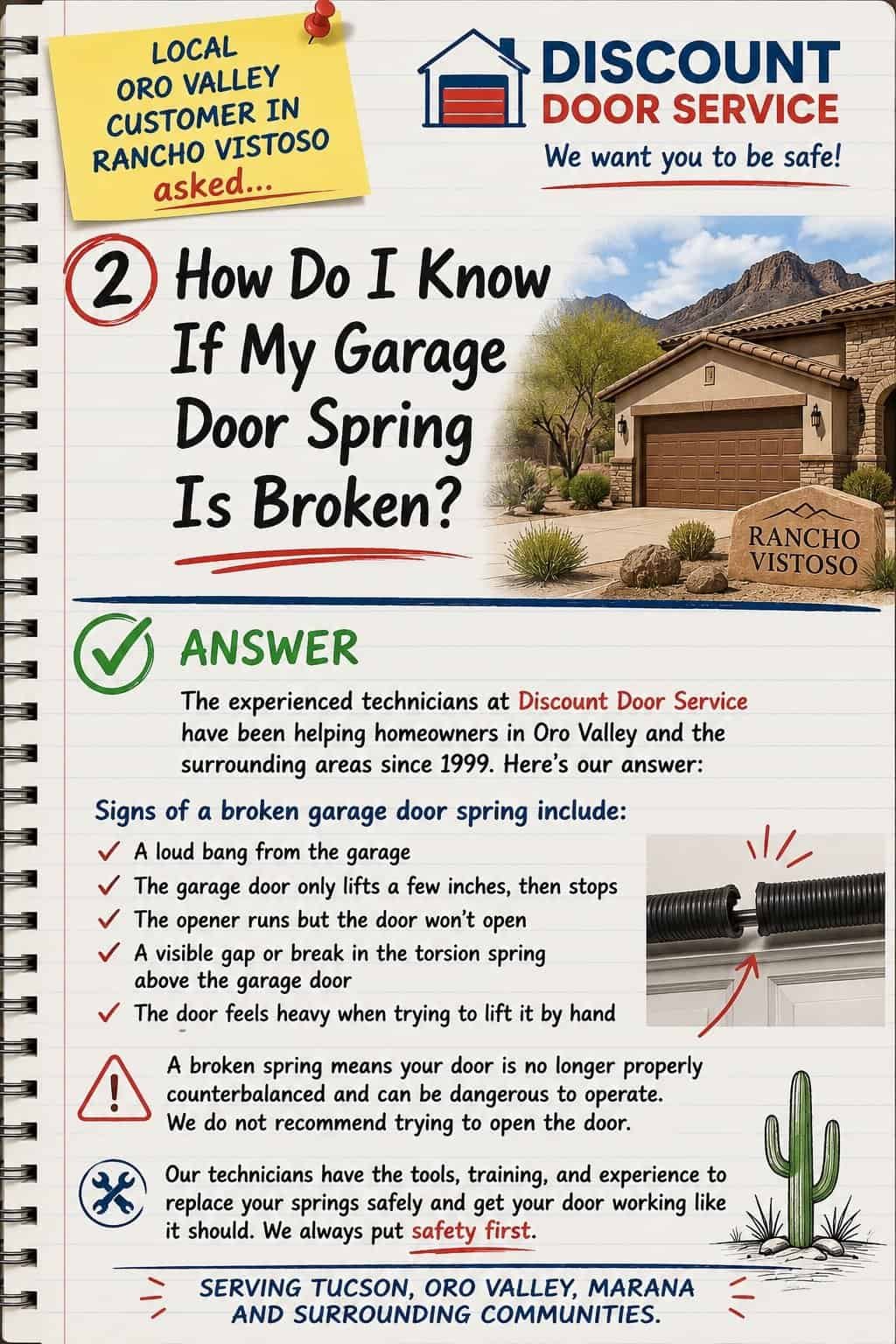
Rancho Vistoso has grown fast, and a lot of the original builder-grade openers up here are hitting the end of their life at the same time. This came up again last week — answered by Melissa (owner) and Zeneroso (lead tech).
A homeowner in Rancho Vistoso asked…
In Rancho Vistoso, I usually start with the opener’s age and what it is actually doing. A newer unit with a sensor, remote, or travel-setting issue is often worth repairing. We can check that before anyone talks about replacing it.
If the motor is 10 to 15 years old, struggles to lift the door, or has become unreliable, replacement can be the better value. New openers start at $520, including removal and hauling away of the old motor. I’ll give you the straight answer, not a sales pitch.
Up in Rancho Vistoso? We are in your neighborhood all the time — ask us anything.
Call (520) 579-9084