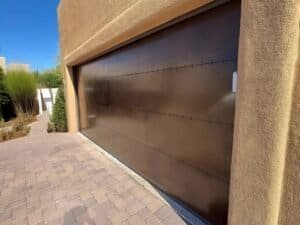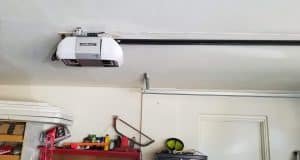
Short answer: in Tucson, a quality nylon roller with sealed ball bearings usually outlasts a basic steel roller, and it runs much quieter doing it. Steel rollers are tough and cheap, but their open bearings need regular lubrication, and lubricant plus desert dust turns into a grinding paste that wears them out early. The exception is a bargain nylon roller with no bearings at all, which can crack or flat-spot under a heavy door. Bearing count and build quality matter more than the material name on the box.
What a garage door roller actually does
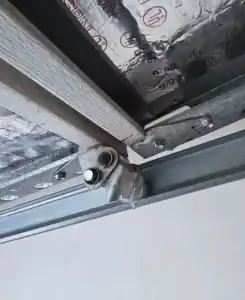
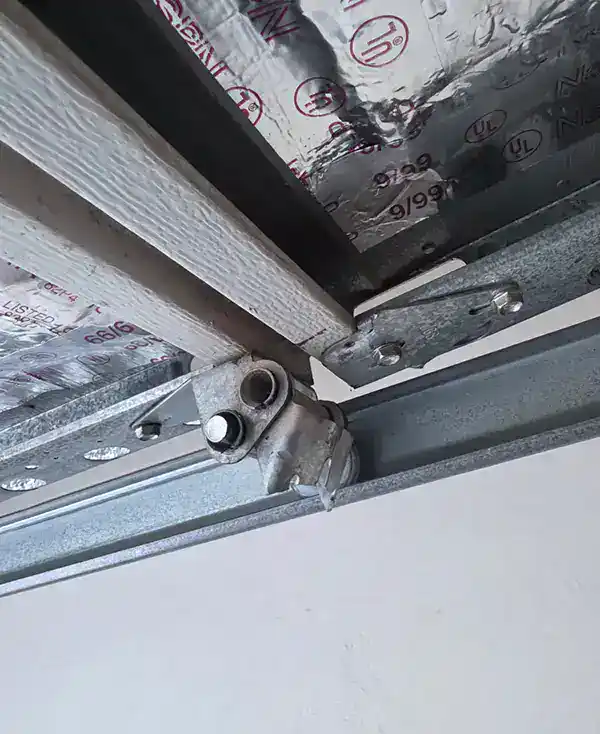
A roller is a small wheel on a steel stem that sits in a hinge or bracket and rides inside the tracks, carrying its share of the door through the curve on every cycle. When rollers wear, the door gets loud, shakes in the track, and eventually binds or jumps the track. Rollers come in three broad types: steel wheels with exposed ball bearings, nylon wheels with sealed or shielded ball bearings, and plain nylon wheels with no bearings. The real debate is between the first two.
Steel rollers: durable, inexpensive, loud
Steel rollers are what most builder-grade doors ship with: a stamped steel wheel, usually with exposed bearings, at a very low cost. Steel tolerates heavy doors and abuse, and the Door and Access Systems Manufacturers Association notes in its roller hardware article that metal ball-bearing rollers adapt better than non-bearing nylon rollers when hinges are slightly misaligned.
The downsides show up every day. Steel on steel is noisy, which is why a door with original rollers rattles the whole house at 6 AM. The open bearings need lubrication, and Clopay’s maintenance guide lists rollers among the parts to lubricate annually, specifically excluding nylon rollers from that step. In a humid climate the enemy of an open bearing is rust. In Tucson it is dust.
Nylon rollers: quieter, cleaner, and usually longer lasting
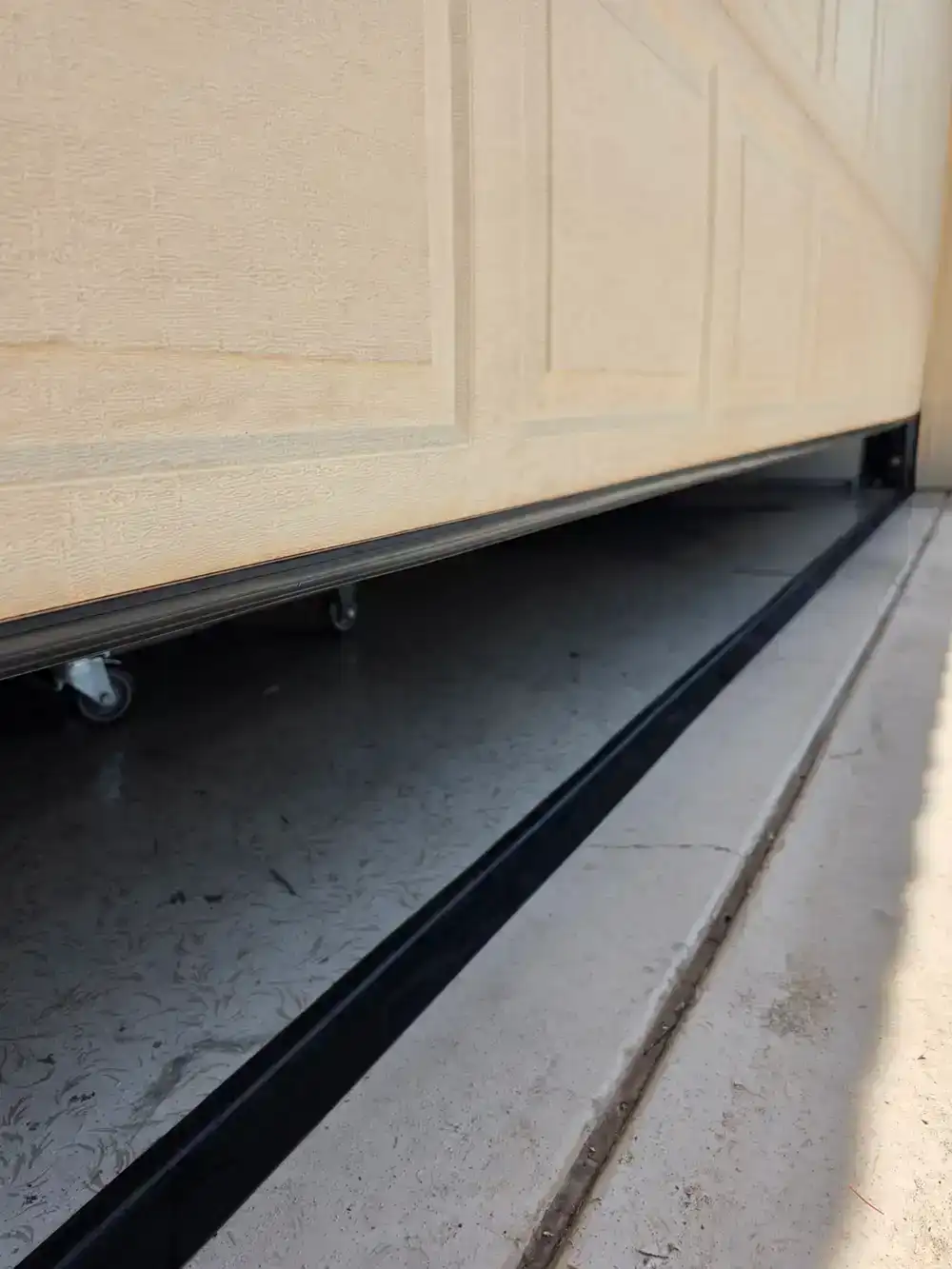
A good nylon roller has a molded nylon tire over a steel race with ball bearings inside, often with a shield or seal over the bearing. Nylon absorbs vibration instead of transmitting it, and it does not corrode. The DASMA article quotes industry experts saying nylon rollers are “a lot quieter than steel rollers,” and Clopay’s maintenance guide states that it “recommends a high-quality nylon roller for the smoothest and quietest operation.”
Published ratings back up the longevity claim. In the DASMA article, a 13-ball nylon roller is rated for a 75 pound load at 15,000 cycles on a 12 foot door, which the author calls the high end of what a residential application would need. The non-bearing nylon rollers tested in the same article are rated for 50 pounds per roller at 10,000 cycles on an 8 foot door. In household terms, a door that opens and closes four times a day runs about 1,460 cycles a year, so a 15,000 cycle rating works out to roughly ten years of normal use. That is arithmetic, not a warranty, and a heavier door or more daily trips shortens it.
Quality varies, though. DASMA found one widely sold 13-ball roller tested worse than anything else in its group, so bearing count is a useful signal, not a guarantee.
Why Tucson dust is the real tiebreaker
Most roller comparisons are written for climates where rust is the main threat. Southern Arizona is dry most of the year, so steel hardware corrodes slowly here. What we have instead is fine, abrasive dust. The National Weather Service Tucson office describes monsoon dust storms with wind gusts of 40 to 60 mph and visibility of a quarter mile or less during a season that runs June 15 through September 30. Outside monsoon, spring winds and construction dust do the same job more slowly.
That dust settles on the tracks and the rollers, and here is how it wears rollers out early:
- Open steel bearings collect grit. Dust works into the exposed bearing race and mixes with the lubricant, forming an abrasive paste that scores the balls and the race
- Grease makes it worse. Clopay’s guide is explicit: use a silicone-based lubricant and “never use grease, as it attracts dirt and dust.” A heavy grease or sticky general-purpose spray is exactly what grabs dust
- Lubricated tracks become a dust trap. Clopay’s maintenance steps are to brush the tracks out and wipe them with a damp cloth, then lubricate hinges, rollers (except nylon) and springs. Oil in the track collects grit that the rollers grind through on every cycle
- Heat dries lubricant out. Tucson averages 68 days a year at 100 degrees or higher per NWS climate normals, so a bearing lubricated in spring may run dry by August
A sealed-bearing nylon roller sidesteps most of that: the seal keeps grit out, the roller needs no lubrication, and the nylon tire is quiet in a dusty track. For the bigger picture on heat and door noise, see our post on why garage doors get noisy during Arizona summers.
Nylon vs steel rollers side by side
| Factor | Steel rollers (open bearings) | Nylon rollers (sealed bearings) |
|---|---|---|
| Noise | Loud, metal on metal | Quiet, nylon absorbs vibration |
| Lubrication | Needed, at least annually | Not needed (Clopay excludes nylon rollers) |
| Dust tolerance | Poor, grit enters open bearings | Good when the bearing is sealed |
| Corrosion | Possible, less of a factor in dry air | Nylon does not corrode |
| Heavy doors | Handles abuse well | Choose a bearing roller rated for the door weight |
| Cost | Lowest | Higher per roller |
| Published rating example | Varies by manufacturer | 13-ball: 75 lb at 15,000 cycles (DASMA) |
Signs your garage door rollers need replacing
- Grinding, squealing or rattling that lubrication does not quiet, especially through the curve of the track
- Visible wear: cracked or chipped nylon tires, flat spots, a steel wheel that wobbles on its stem, or a wheel that no longer spins freely by hand
- The door shakes or jerks as it travels instead of gliding
- A roller sitting crooked or partly out of the track. Do not run the opener. Our post on what to do when a garage door comes off track explains why
- Rust or packed grit around the bearing, which means the roller has been running dry
If several rollers show these signs, replace the full set. Rollers wear together, and mixing new and worn rollers keeps the door running unevenly.
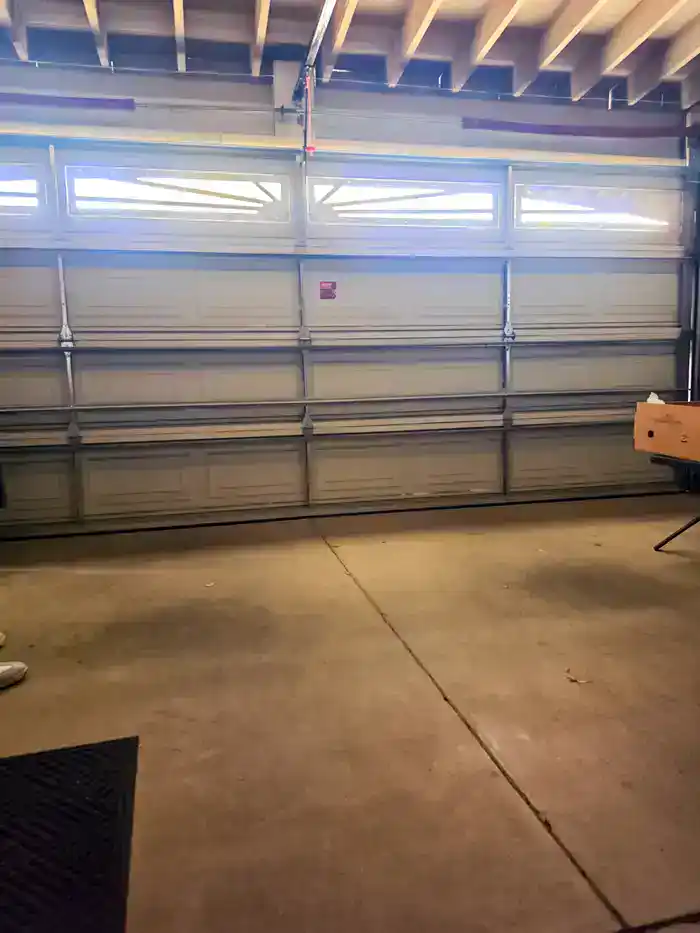
Why roller replacement is not a weekend project
Swapping the middle rollers looks simple, but the bottom rollers sit in brackets that anchor the lift cables, which are under full spring tension, and removing one can release that tension suddenly. Our garage door roller replacement service covers the full set, checks hinge alignment while the rollers are out, and cleans the tracks so the new rollers do not start life running through old grit.
Frequently asked questions
How long do garage door rollers last?
It depends on the roller rating, the door weight and how many times a day the door runs. A 13-ball nylon roller carries a published rating of 15,000 cycles at a 75 pound load, per DASMA, which is roughly ten years at four cycles a day. Builder-grade steel rollers with open bearings tend to wear sooner in dusty conditions, though published ratings vary by manufacturer.
Are nylon garage door rollers quieter than steel?
Yes. Both DASMA and Clopay describe nylon rollers as the quieter choice. If the door is still loud after a roller swap, the noise is usually coming from the opener, the hinges or the springs instead.
Should I lubricate nylon rollers?
No. Clopay’s maintenance guide excludes nylon rollers from the annual lubrication step. Lubricate the hinges and springs instead with a silicone-based product, never grease, and keep lubricant out of the track channel.
Can worn rollers damage the tracks?
Yes. A wobbling or seized roller can gouge the inside of the track and bend the curve where the vertical and horizontal sections meet. Catching worn rollers early is cheaper than track repair and realignment later.
What customers say
Good experience with service on replacing rollers and track adjustment in the Sabino Canyon area. Good customer service.
Rio B., 5 stars, Google review
Quiet the door and keep the dust out
If your garage door is loud, shaky, or still has the rollers it came with, a set of sealed-bearing nylon rollers is one of the most cost-effective upgrades you can make in Tucson’s climate. Discount Door Service is a woman-owned Tucson company serving Tucson, Oro Valley, Marana, Vail, Catalina and SaddleBrooke. Call (520) 579-9084 or visit our garage door roller replacement page to schedule a visit.