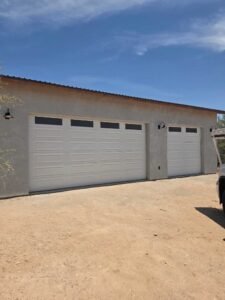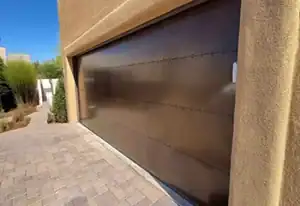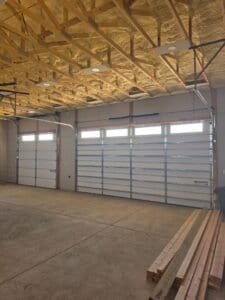
Short answer: 1/2 HP (or its chain-drive equivalent) is enough for most single residential garage doors made of standard steel or wood. A double-wide door, a heavier insulated or carriage-style door, or a garage above a living space where quiet matters more, usually calls for 3/4 HP or a comparable belt-drive unit. More horsepower is not automatically better, matching the motor to the actual door matters more than buying the biggest number available.
Why horsepower ratings on openers are confusing
Garage door opener horsepower numbers are not measured the same way a car engine’s is, and different manufacturers rate similar motors differently. Some list peak or “HPc” (horsepower comparable) ratings rather than continuous output, which is why two openers with the same HP number on the box can perform noticeably differently in real use. The rating is a starting point for comparison within a brand, not an exact engineering spec you can compare across every manufacturer.
Matching horsepower to your door
| Door type | Typical opener needed |
|---|---|
| Single lightweight steel or aluminum door | 1/2 HP |
| Single door, standard weight | 1/2 HP |
| Single insulated or wood-look door | 1/2 to 3/4 HP |
| Double-wide door, standard weight | 3/4 HP |
| Double-wide, insulated, or carriage-style door | 3/4 to 1.25 HP |
| Oversized or custom heavy door | 1.25 HP or a commercial-grade unit |
What actually determines the right size
- Door weight, not just width. A single insulated door can weigh close to what a lighter double door weighs, so weight is the real variable, width is just a rough proxy for it
- How well the door is balanced. A properly tensioned spring system does most of the lifting work. An opener is not meant to compensate for a poorly balanced door, and undersizing looks like the wrong symptom when the actual problem is spring tension
- Drive type. Belt and screw drives are often rated a bit differently than chain drives even at the same nominal horsepower, since the mechanism itself affects how the rating translates to real lifting force
- How often the door cycles. A door that opens and closes many times a day, like a business, benefits from a higher-rated commercial or heavy-duty residential unit even if the door itself is standard weight, since motors under frequent use wear faster when undersized
What happens if the opener is too small
An undersized opener working a heavier door has to work harder on every cycle, which shows up over time as a motor that runs hot, strains audibly, or fails years before it should. It can also struggle to fully close a heavy door in cold conditions or after the gears wear slightly, leading to reversals that look like a safety sensor problem but are actually a motor that is maxed out.
Is bigger always better?
No. Oversizing an opener for a light door does not meaningfully extend its life and mostly just costs more upfront. It can also run louder than necessary for the job. The goal is matching the opener to the actual door, not buying the largest motor on the shelf.
Frequently asked questions
Can I put a 1/2 HP opener on a double garage door?
It depends on the door’s actual weight. A lightweight double door might work with 1/2 HP, but most double doors, especially insulated ones, are better matched to 3/4 HP or higher. Undersizing shortens the opener’s life.
Does a higher horsepower opener use more electricity?
The difference is negligible for typical residential use. A garage door opener runs for seconds at a time, so the horsepower rating has almost no meaningful effect on your electric bill either way.
My opener strains or makes a loud noise lifting the door. Is that a horsepower problem?
Possibly, but check the door’s balance and spring tension first, since a poorly balanced door will strain even an appropriately sized opener. If the springs check out fine and the opener still struggles, it may genuinely be undersized for that door.
Do I need a commercial-grade opener for a home garage?
Only in unusual cases, such as an oversized custom door or a garage door that cycles dozens of times a day. Most homes are well served by a properly matched residential unit.
Not sure what your door needs?
We can look at your door’s size, weight, and how it is balanced, then recommend an opener that actually fits it, not just the biggest number on the shelf. Call Discount Door Service at (520) 579-9084 or request a quote online. See our garage door opener page for repair and installation options.